Jam with giant squid
Improvise complex electronic music on stage — the whole band shares one living neural network that listens and answers instantly
Push the tempo and it pushes back — a bandmate, not a click track
The same neurons drive sound and light — rooms that respond to the people in them
Low latency · Multiplayer · Now recruiting beta testers
Where will you take it?
Where will it take you?
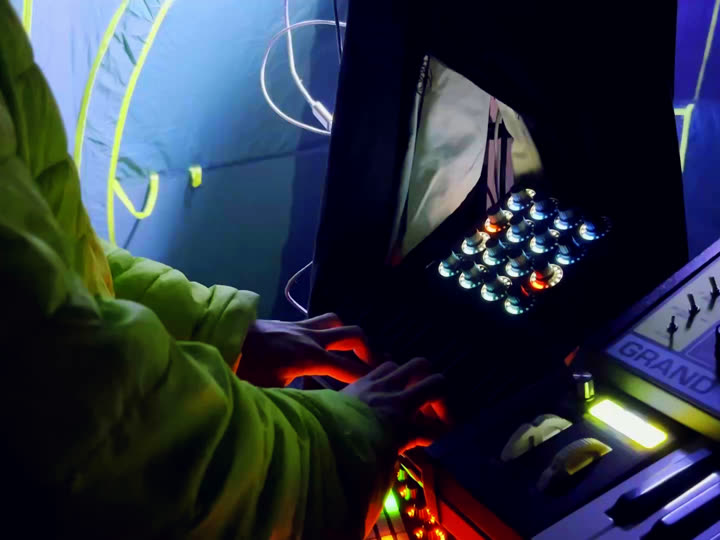
On stage
Improvise complex electronic sets with a bandmate that listens — whether the band is five of you or just you
For performers →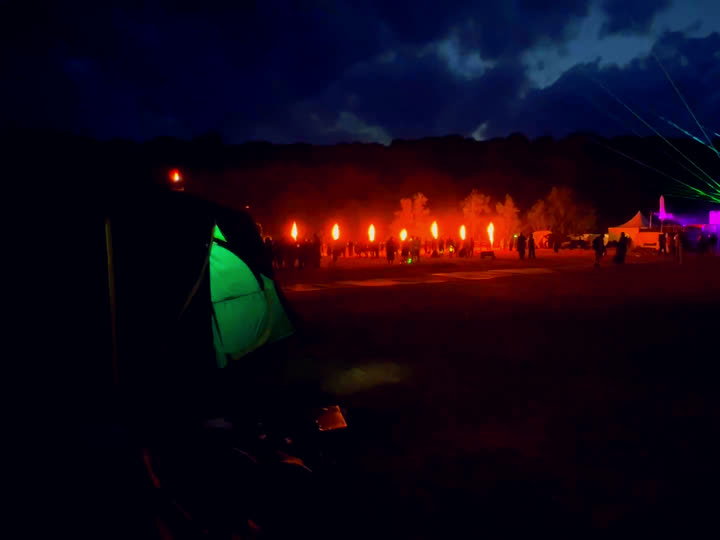
Installations
Sound and light driven by the same neural activity — rooms that genuinely respond to the people inside them
For installation artists →Create your instrument in the studio
Patch new instruments in a visual editor and ship them as VST3 / AU plugins. No C++, no gatekeeper. AI native - describe your dream
For instrument builders →Meet the band, right in your browser
Glia's neural field runs as on this page. Every squid is a live neuron - it strikes its instrument as it fires

A band of three neurons
Each squid is a neuron. Nothing sequences them - the groove is what their couplings settle into
Makes sound. Best with headphones.
One network. Every neuron alive.
Whatever you make with Glia, it runs on the same thing: a field of Hodgkin–Huxley neurons, each a living membrane potential firing in real time
Be first to play it
We’re recruiting a small group of performers, installation artists and instrument builders to beta test Glia in the real world — on stages, in galleries, in DAWs — we’ll happily keep anyone else posted for launch. Tell us a little about your setup and we’ll be in touch.